
Museum
The Significance of Our Historical Cultural Heritage
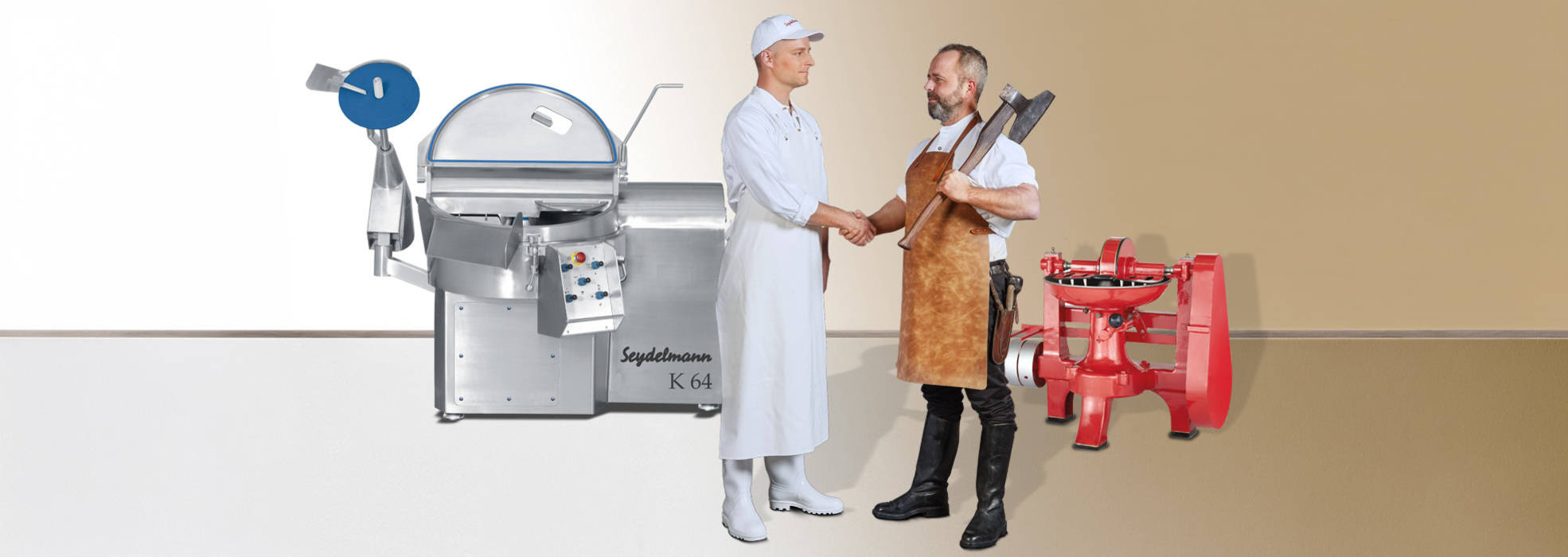
Our historical heritage, in the form of exhibits such as old machines, vehicles, and equipment, is of particular importance to us. It documents not only the history of our company, the profession, and the craft itself, but also the development of food production around the world. In doing so, it reflects our own company history and impressively demonstrates the advances of industrialization in mechanical engineering. The historical machines and exhibits bring technical developments to life and provide a deep understanding of the origins of today’s innovations.
Exhibition Concept and Presence at Trade Shows and Events
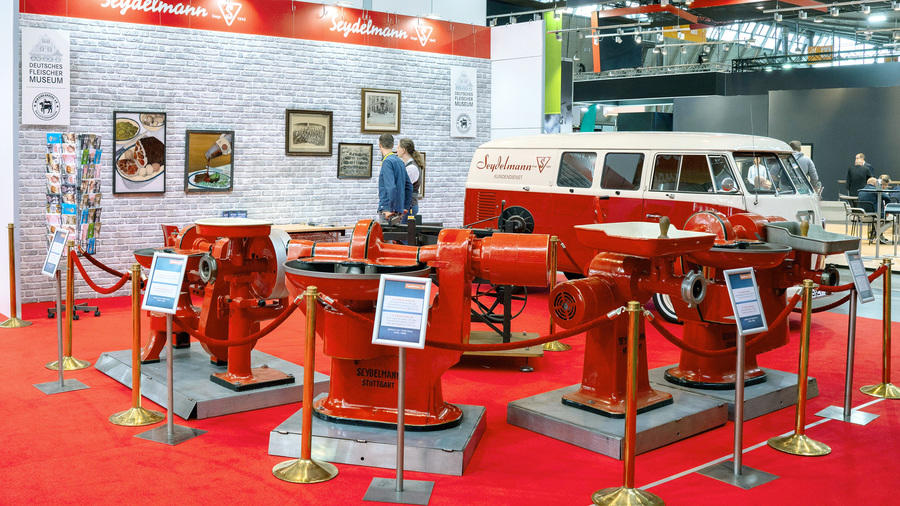
Our museum deliberately does not have a traditional permanent exhibition. Instead, it focuses on flexible, mobile presentations that we regularly organize at various trade shows and events. There, we reach a broad audience and continually create new contexts for diverse presentations, including collaborations with partners such as other museums or artists. We are happy to support events organized by non-profit organizations, clubs, and associations with loaned items.
Insights into our exhibitions
Our museum booths and special exhibits provide a vivid impression of these presentations. They showcase not only the technical diversity but also the careful curation through which we bring history to life.
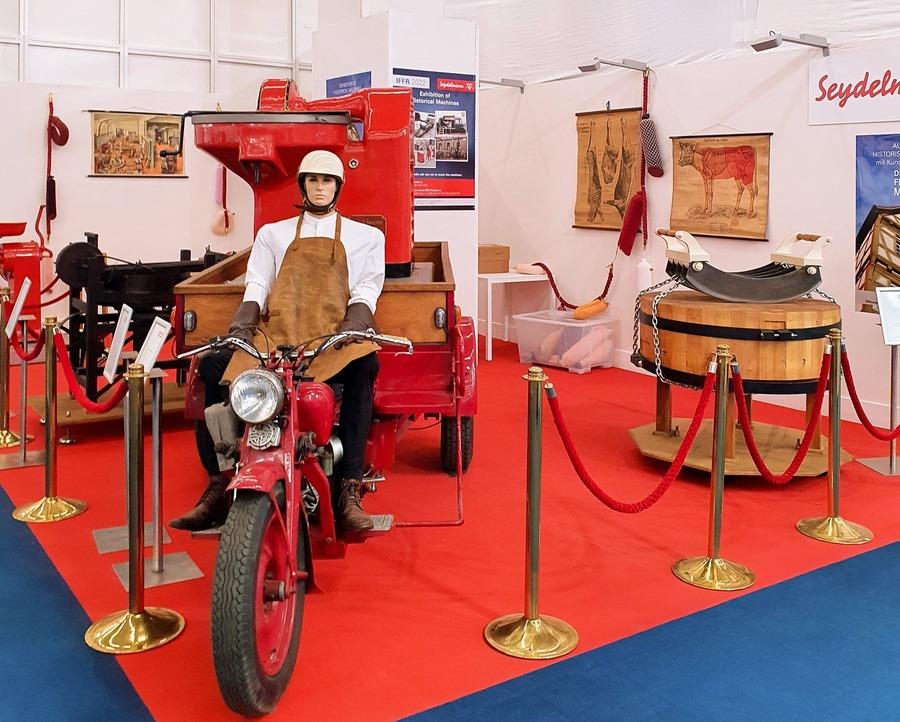
Distribution of the exhibits
In addition to trade show appearances, various exhibits are on permanent display at different locations. Selected pieces are presented at the factory site in Aalen and at the company headquarters in Stuttgart. Furthermore, some exhibits are on permanent loan to customers, museums, and partners around the world, where they also contribute to the visibility of our historical heritage.
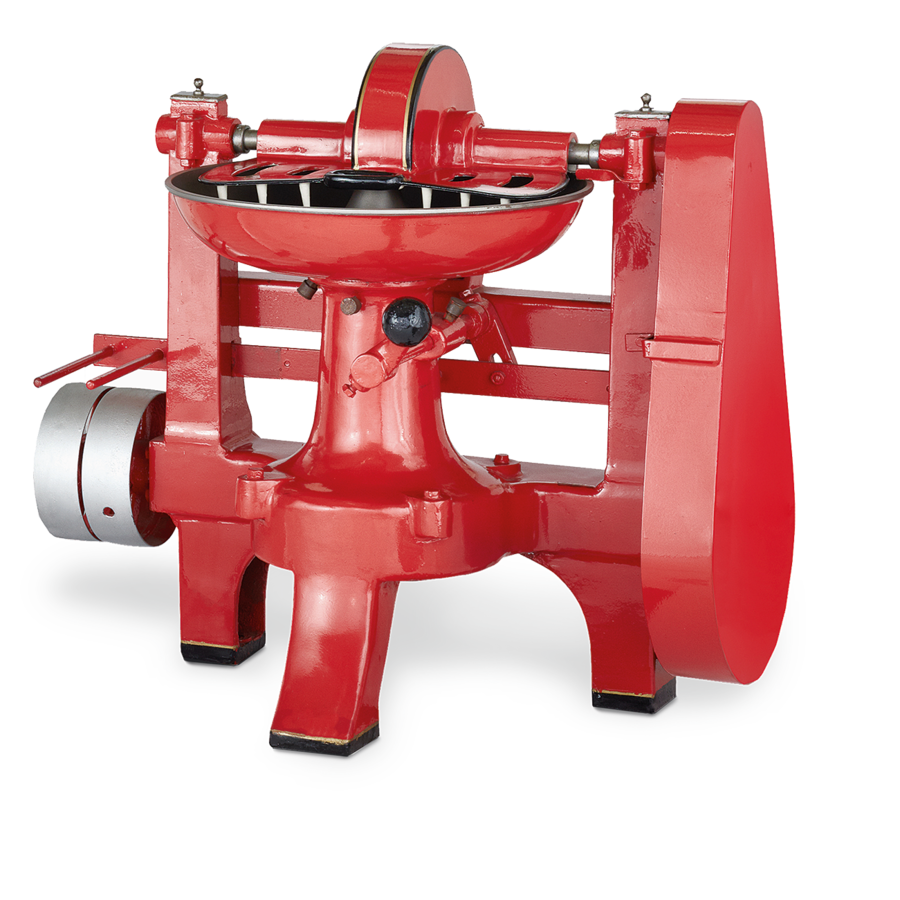
Scope of our collection
Our collection comprises a total of over 200 historical machines, devices, apparatus, tools, store counters, and vehicles. This impressive variety forms the foundation of our exhibitions and simultaneously underscores the high value we place on preserving and communicating industrial history.
A special focus is placed on machines and other products from the Seydelmann Machine Factory. In addition, the collection includes machines from a wide variety of manufacturers, as well as equipment, tools, furnishings, and clothing from the butchery trade and industrial meat processing, spanning a time period from the Middle Ages to the year 1980. The collection is supplemented by mechanical engineering machinery and equipment from the era of industrialization through to around 1960, which were used at the Seydelmann Machine Factory.
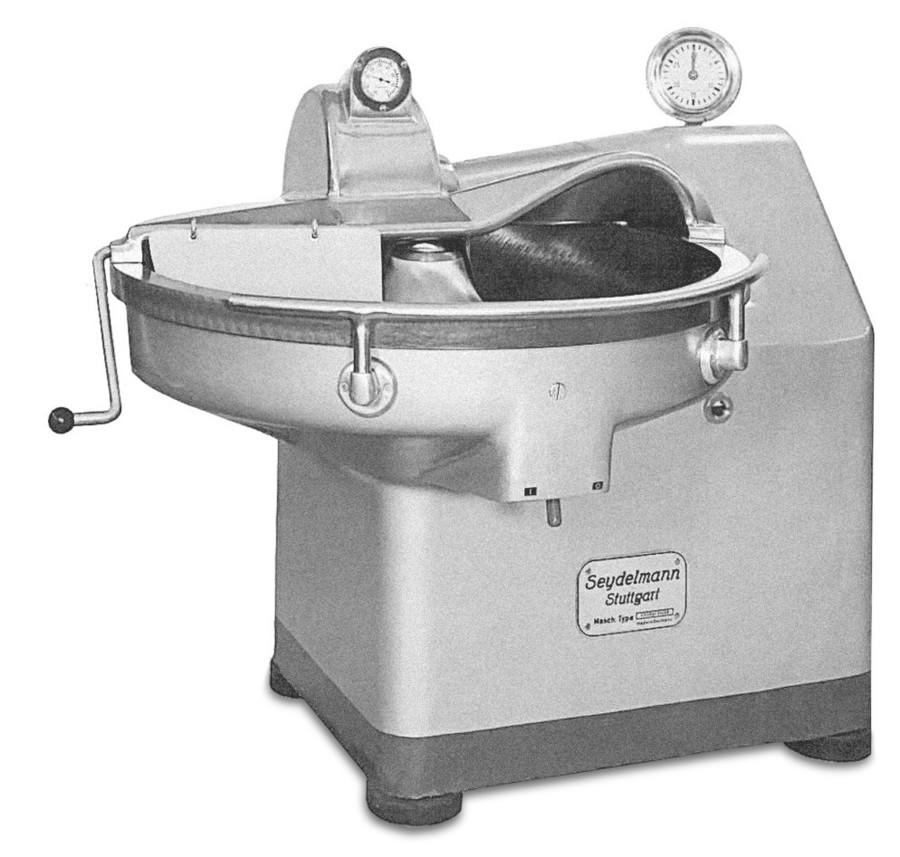
Interest in Additional Exhibits
To further expand and preserve this cultural heritage, we are always interested in acquiring additional historical machines and equipment—including those from other manufacturers. We are also seeking tools and typical industry exhibits that complete the overall picture and highlight further facets of industrial development.
Please feel free to contact us regarding this.
A Seydelmann Zwilling Returns Home
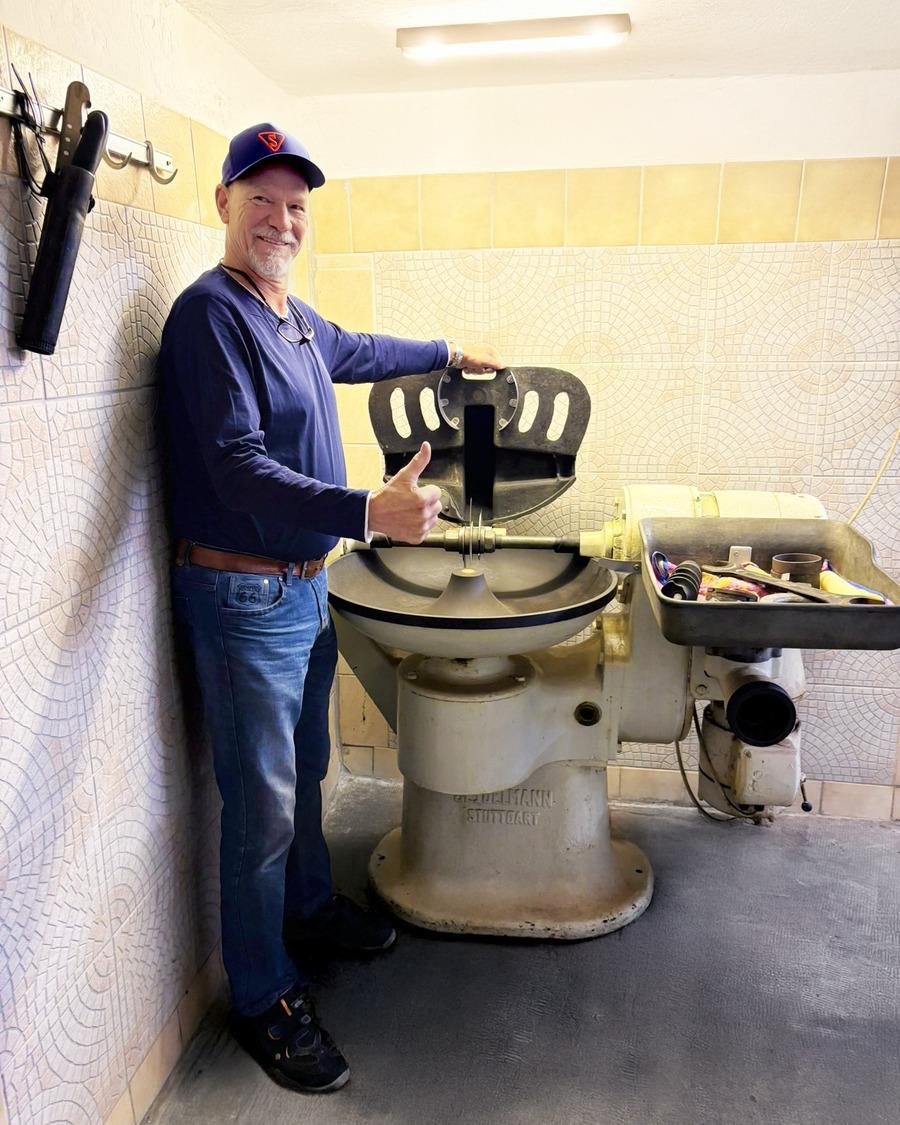
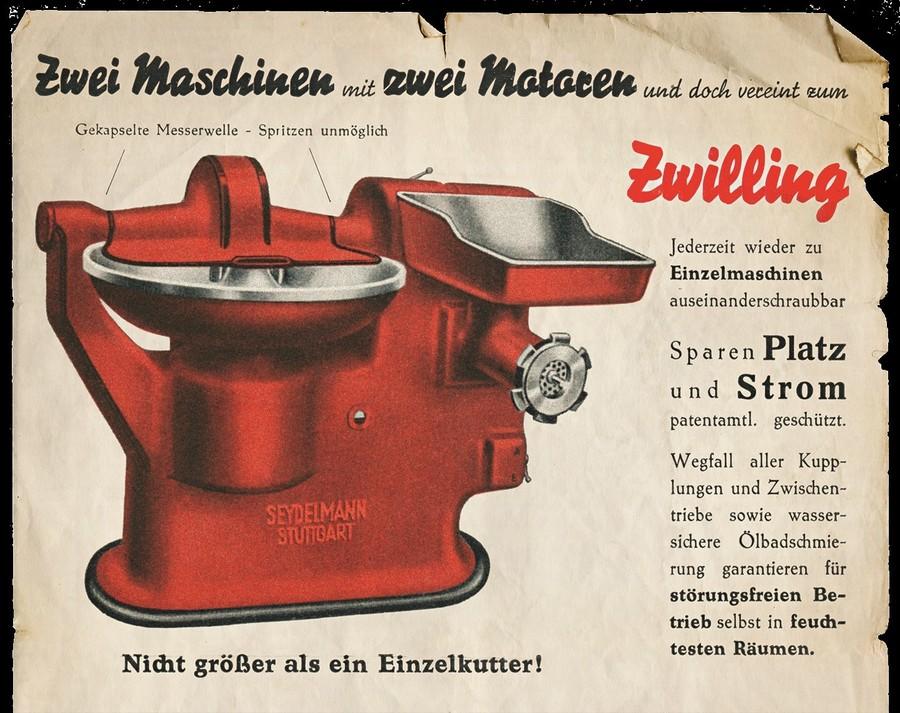
After nearly 90 years in service, a Seydelmann Zwilling, built in 1936, returns to its birthplace. After many decades in a butcher shop, its final stop was the private sausage kitchen of a trained butcher who insisted on making his own sausage and meatloaf for personal use in his home basement.
But now it’s time for a well-deserved retirement—even though everything still works perfectly. Almost just like the day it was delivered.
After a technical overhaul and cosmetic refurbishment, the Seydelmann Zwilling will make its way to its final resting place, where it will serve as a historical artifact showcasing the history of the industry and the manufacturer.