

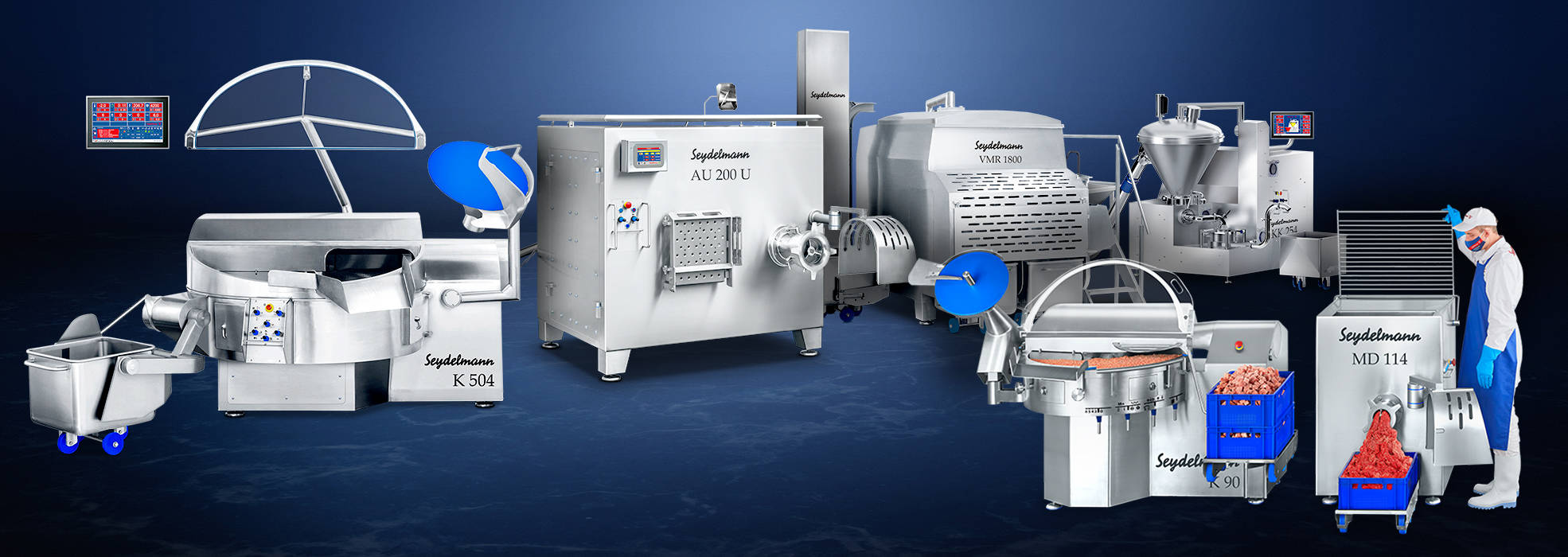
Experience the Cutting Drum Live: Seydelmann showcases new products at SÜFFA 2026
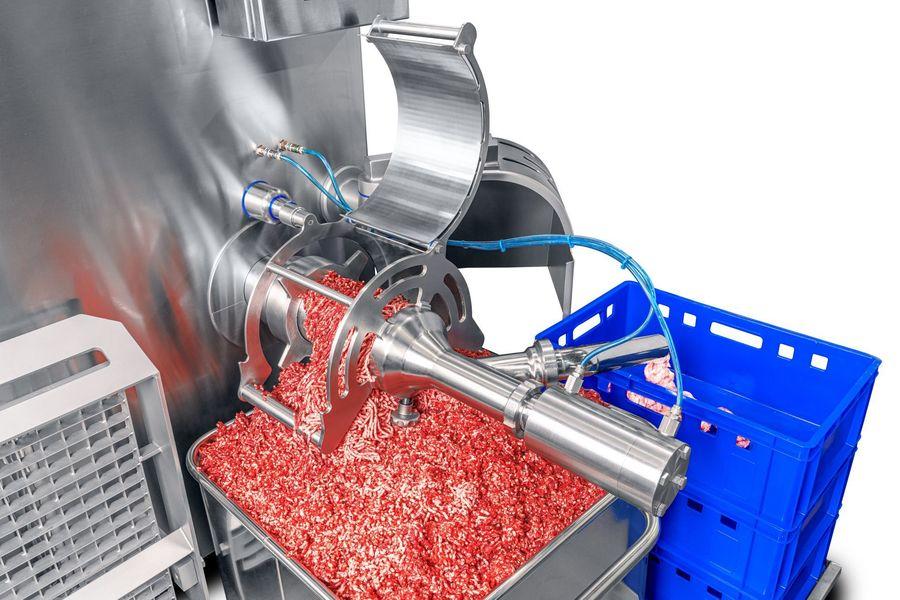
Visitors to SÜFFA 2026 can see firsthand how the Seydelmann Cutting Drum shreds raw materials while simultaneously sorting out unwanted components:
Seydelmann will demonstrate the system’s operation live at the trade show. The demonstration is the centerpiece of the company’s trade show presence and shows how cartilage, tendons, bone fragments, and foreign objects are separated in a single pass. This results in a clean cut. The gentle processing, high throughput, time savings during cutting and trimming, and the ability to use raw materials more efficiently make this technology particularly appealing to artisanal butchers.
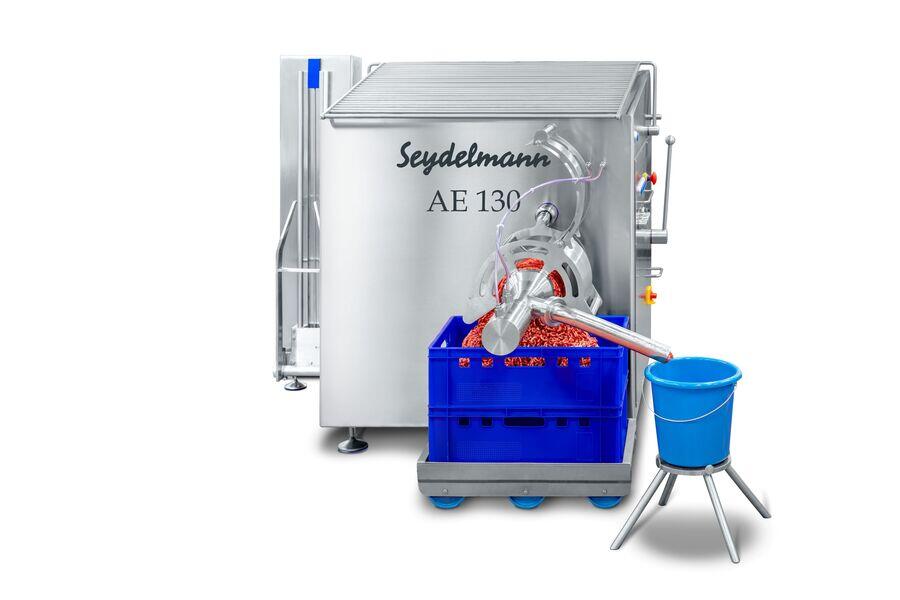
The cutting drum will be on display, among other things, in combination with the AE 130 automatic grinder and the new AE 130 M automatic mixing grinder. The AE 130 M combines several functions despite its low profile and compact footprint: It can mix and homogenize, then grind; it can operate as a standalone automatic grinder; or it can be emptied separately as a mixer. In addition to manual and pneumatic separation units, it can also be equipped with the cutting drum. A lifting device for E2 crates facilitates loading.
The new generation of Seydelmann cutters also brings numerous improvements to everyday operations. Large cleaning hatches facilitate access under the bowl; optional lifting devices for meat crates and product ejectors support ergonomic work, and AutoCommand controls enable recipe-driven processes, while energy-efficient motors and variable-frequency drives reduce energy consumption.
Seydelmann cordially invites trade visitors to experience the cutting drum and other new machine innovations from November 7–9, 2026, at SÜFFA in Stuttgart. The live demonstration, in particular, offers the opportunity to see for yourself how the machine works and the quality of the processed product.
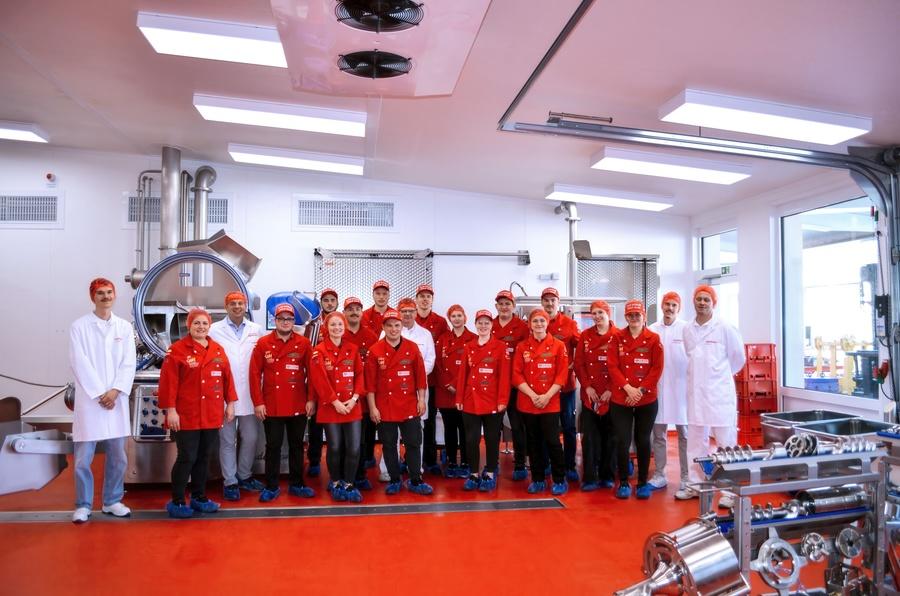
Craftsmanship Perfectionists meet High-Tech Mechanical Engineering: The National Team visits Seydelmann
A day filled with hands-on experience, exchange, and enthusiasm for the possibilities of modern food processing.
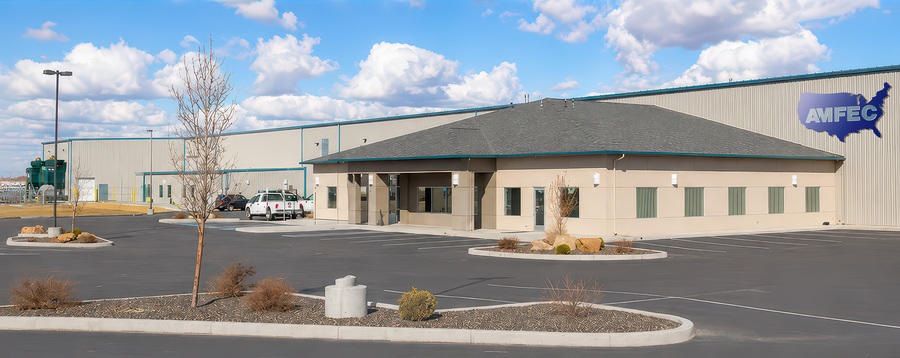
Maschinenfabrik Seydelmann KG acquires a stake in AMFEC and expands strategic partnership for the North American market
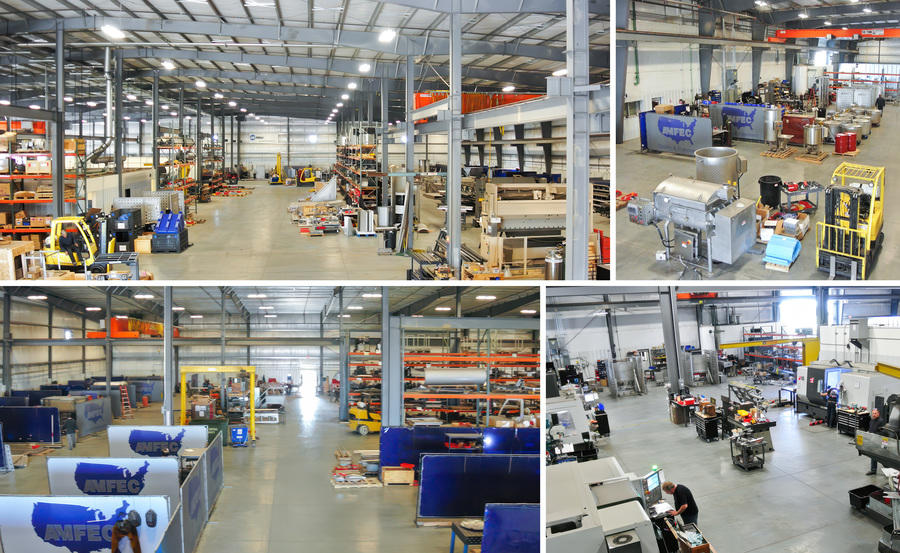
Maschinenfabrik Seydelmann KG is deepening its long-standing collaboration with the American Food Equipment Company (AMFEC) — Caldwell, Idaho, USA — thereby marking an important milestone for its continued international expansion. As part of this strategic partnership, Seydelmann is acquiring a 50 percent stake in AMFEC. The primary goal of this investment is the joint expansion of business in semi- and fully automated production lines for the food industry in the North American market.
The two companies have enjoyed a close and trusting working relationship for many decades. During this time, an intensive exchange of expertise, mutual support, and numerous successfully completed projects have formed the foundation of their partnership. With this new investment, this long-standing relationship is being elevated to a new strategic level.
“Our companies have complemented each other exceptionally well for many years—both technologically and culturally. The investment in AMFEC is the logical continuation of a partnership that has proven itself over decades. Together, we aim to pool our expertise and provide our customers with even more comprehensive support in the planning and implementation of modern production solutions in the future,” explains Andreas Seydelmann, Managing Partner of Maschinenfabrik Seydelmann KG.
The collaboration focuses on expanding the range of automated production lines for the food industry. While Seydelmann is known worldwide for high-performance machines for grinding, processing, and mixing food and pet food, as well as for its comprehensive expertise in developing complete production lines with high levels of automation, AMFEC contributes its many years of experience in the areas of mixers, tumblers, conveyor technology, and customized system solutions. By combining their respective core competencies, the two companies are creating high-performance, comprehensive solutions from a single source—ranging from individual machines to turnkey, highly automated production lines for the North American market.
The demand for automation and efficient, custom-tailored production lines is growing steadily. Through this enhanced collaboration, customers will receive even more targeted support in the planning, implementation, and maintenance of complex production lines. At the same time, they benefit from streamlined decision-making processes, a high level of engineering expertise, and close on-site technical support.
The partnership also offers cost advantages for customers. Particularly in conveyor systems such as long conveyor belts, the effort and transportation costs are disproportionate to production costs, thereby unnecessarily driving up overall costs. Local manufacturing eliminates this cost barrier.
Through their investment in AMFEC, both companies are laying the groundwork to integrate their respective strengths even more closely in the future and to offer their customers—particularly in North America—innovative, high-performance, and cost-effective turnkey solutions for food production. The strategic partnership underlines their shared commitment to further advancing technological innovations, the highest quality, and customer focus worldwide, thereby further expanding their market position and actively shaping the future of automated food production.
The existing partnership in North America with Robert Reiser & Co., Inc., which has been in place since 1962, remains unaffected. The close ties between Reiser, AMFEC, and Seydelmann will be further expanded and strengthened.
Gold for the Seydelmann Customer Center
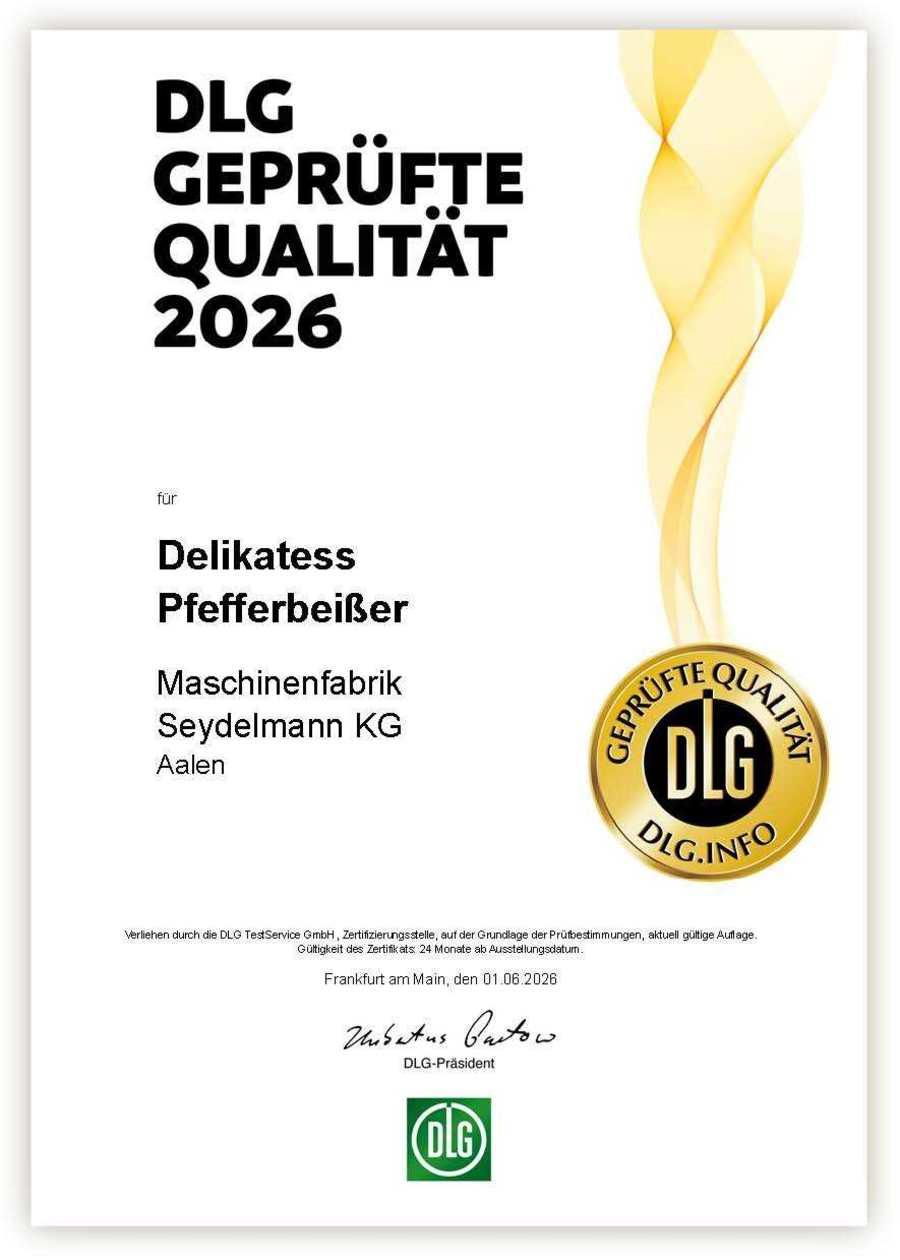
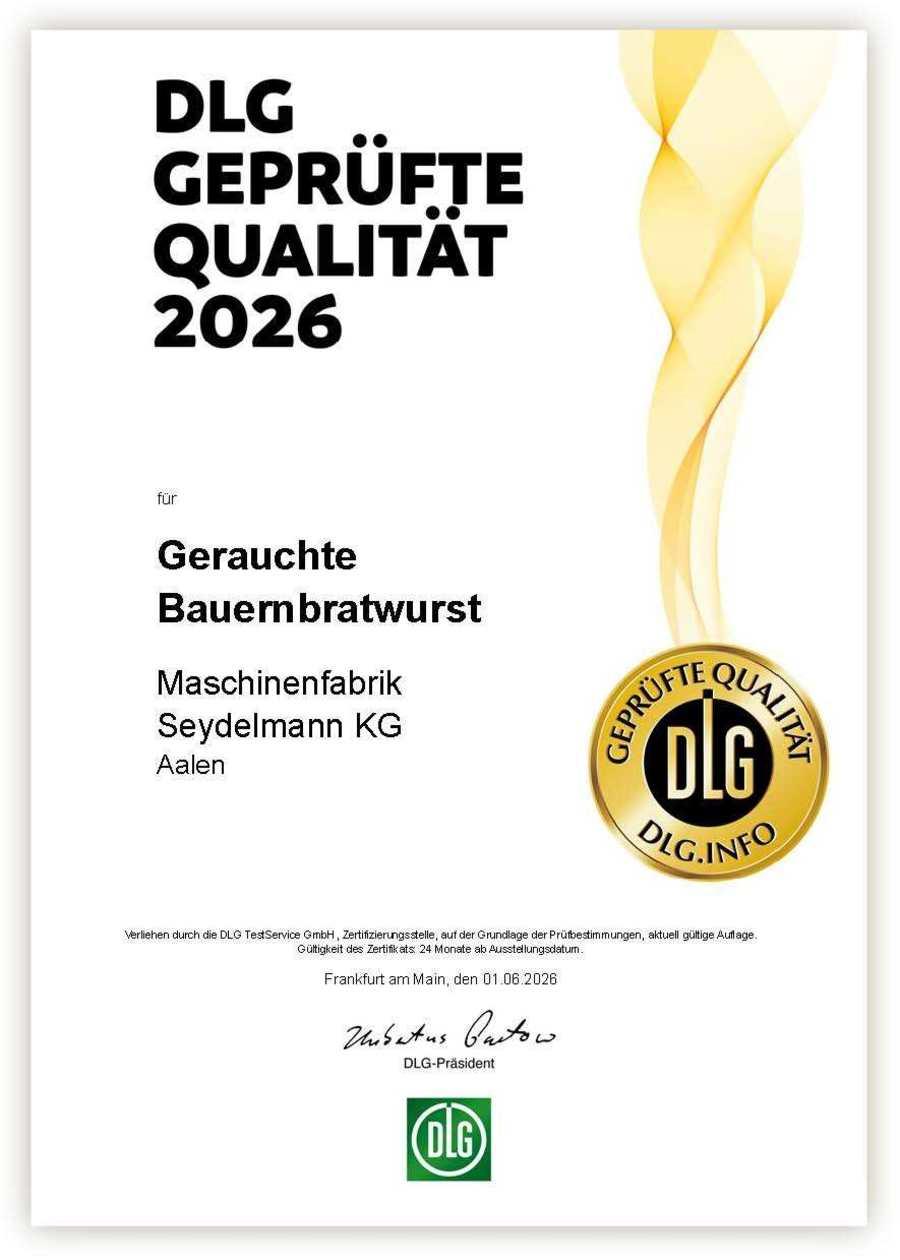
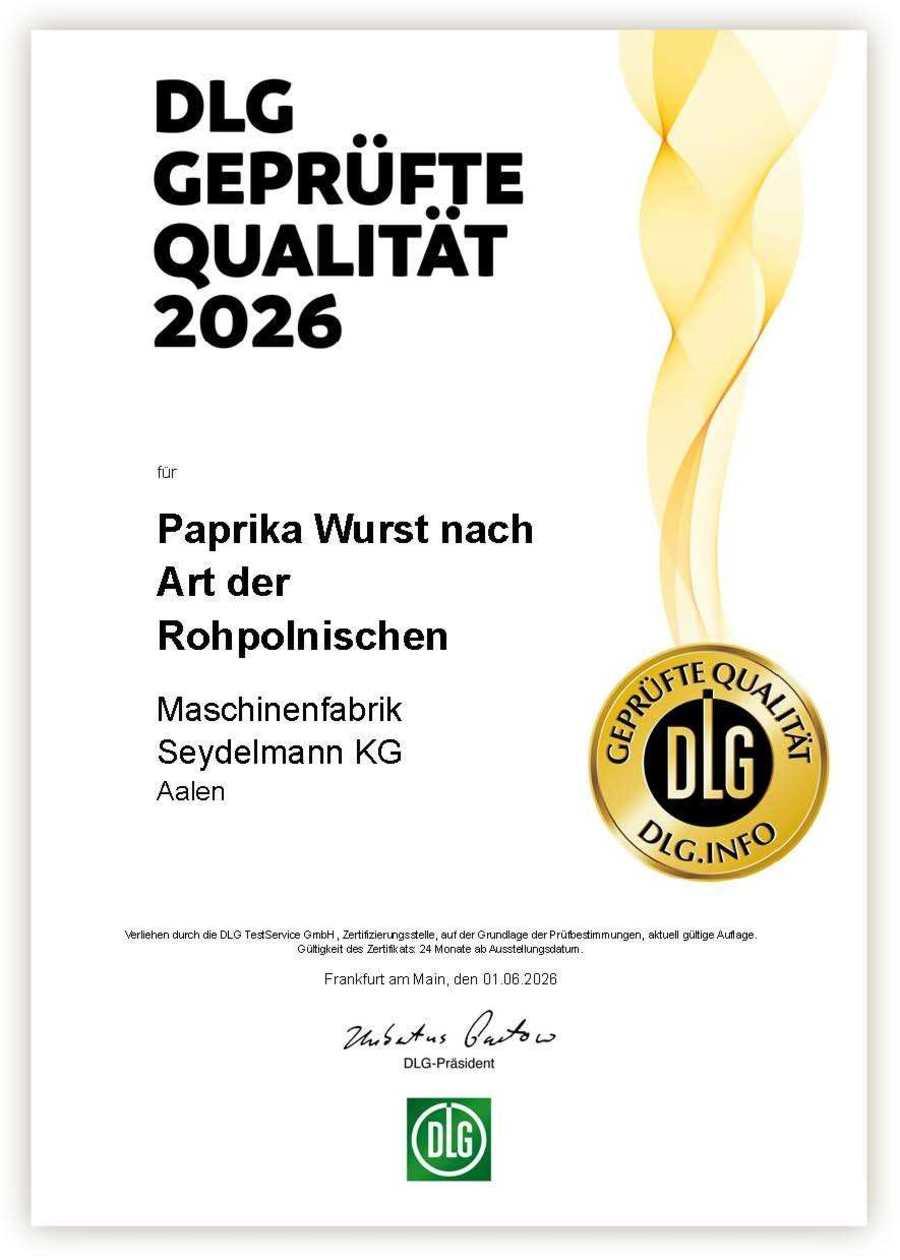
Once again, the Seydelmann Customer Center and its Head, Michael Kirn, have demonstrated their exceptional product expertise. Three DLG (German Agricultural Society) gold medals from three entries speak for themselves and once again confirm the company’s high standards of quality.
The Smoked Farmer’s Bratwurst (Gerauchte Bratwurst), the Delicatessen Pepper Sausage (Delikatess-Pfefferbeißer), and the Paprika Sausage (Paprikawurst) were each awarded gold—all receiving the highest possible score in every evaluation category. Criteria evaluated included appearance, texture, aroma, and taste. The award-winning products impressed the expert jury with their artisanal perfection, well-balanced recipes, and consistently high product quality.
The Seydelmann cutting drum made a significant contribution to this exceptional product quality. It enables particularly gentle and precise processing of the raw materials, thereby providing decisive advantages for both manufacturers and consumers.
The cutting drum reliably removes even the finest collagenous components, such as tendons, cartilage, or other hard parts. This plays a crucial role, especially in products like “Pfefferbeißer” or coarse bratwurst, which are bitten into directly: Even the smallest traces of collagen are felt by the consumer between their teeth and perceived as unpleasant. The cutting drum reliably removes these, ensuring a significantly improved mouthfeel and a particularly homogeneous product structure.
At the same time, the cutting process is extremely gentle on the product. The material is processed with a single clean cut—without crushing or tearing. As a result, the temperature increase in the product remains minimal, the cut surface is particularly clean, and, for example, bacon retains its firm, pleasant texture without unwanted oil accumulation on the surface. The result is products of high visual and sensory quality with excellent consistency.
Furthermore, the cutting drum contributes significantly to product safety. Potential foreign objects such as film residues or plastic splinters—for example, from E2 crates—can be reliably removed. Given the complexity of raw material and supply chains, this aspect is becoming increasingly important.
The cutting drum also offers considerable added value in terms of efficiency and labor savings. The manual preparation of raw materials—such as cutting out tendons or cartilage by hand—which was often necessary in the past, is largely eliminated. This significantly simplifies day-to-day production work while ensuring reproducible results at a consistently high level.
Another advantage lies in the ability to selectively upgrade simpler raw material standards. Thanks to the cutting drum’s specialized processing technology, these materials can be transformed into high-quality premium products of exceptional quality—an important economic factor for modern food producers.
The Seydelmann Customer Center is fully equipped like a modern food processing facility, complete with machinery for upstream and downstream processes; it meets the highest hygiene standards and holds EU approval for food production. Seydelmann thus offers ideal conditions for realistic trial productions under industrial conditions.
“Here, our food technologists work for or alongside the customer on product development and toward the goal of improving quality and efficiency. In this way, we offer not just food processing machines, but rather complete solutions for the challenges and products of tomorrow,” explains Andreas Seydelmann, Managing Partner of Maschinenfabrik Seydelmann KG, outlining the company’s mission.
The latest DLG awards confirm not only the performance of the technology used but also the comprehensive expertise of the employees at the customer center. They impressively demonstrate how closely machine expertise, process engineering, and product quality are intertwined at Seydelmann.
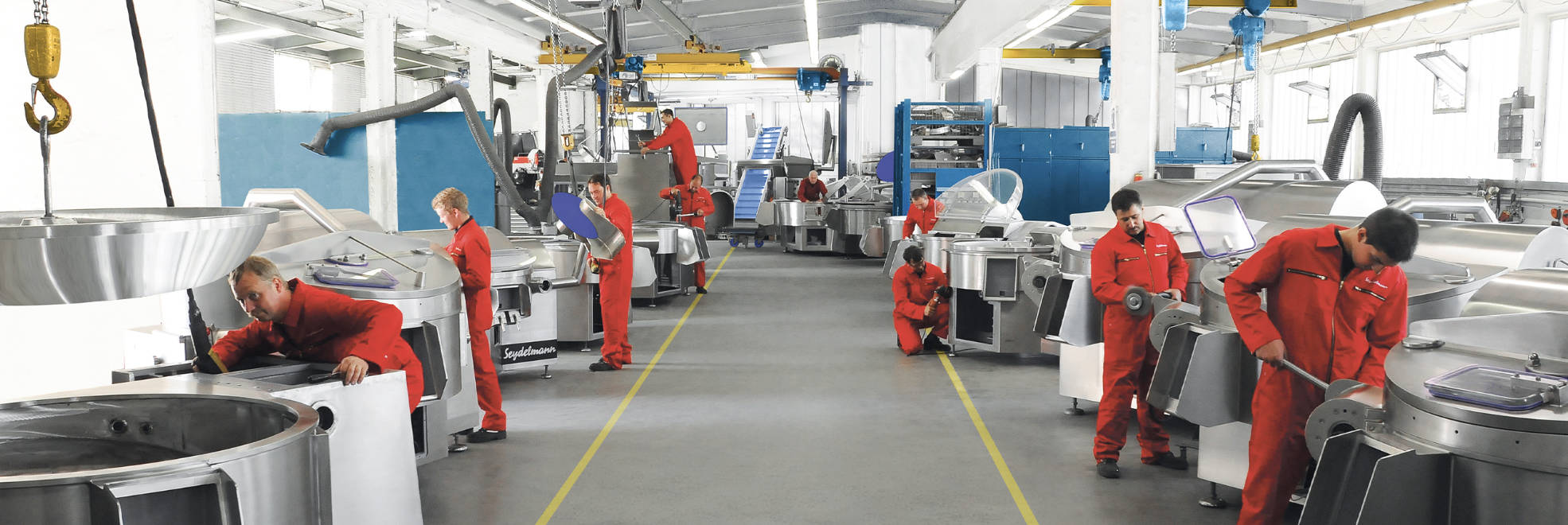
In the hands of the best

For over 180 years now, Maschinenfabrik Seydelmann KG has been at the forefront of the development, production and distribution of premium quality food processing machines. The innovative and groundbreaking machine program is designed and manufactured by the modern family-owned company in southern Germany. Seydelmann considers itself a globally operating company, which sells its machines in over 150 countries on all five continents. Seydelmann machines are durable and efficiently produce highest quality, thus ensuring competitive advantages for their users.

Customer proximity
Being there for our customers and learning from them allows us to identify and understand their needs and expectations. This type of relationship is the prerequisite for being able to develop, offer and implement solutions that guarantee long-term satisfaction.
Quality
Seydelmann machines are manufactured from the highest quality materials and components and are operated with the latest technology. Since the foundation of the company we plan, design and manufacture all machines in Aalen - "MADE IN GERMANY".
Innovation
Close cooperation with butchers from the region to the international food industry over many decades gives us a deep understanding of everyday production and extensive experience in a wide range of applications.
Service strength
The development of the best possible individual solution as well as a professional installation of the machine are part of the Seydelmann service as well as the possibility of a professional machine instruction with technological advice.